The frontal and temporal lobe in the identification of laryngeal contrasts
NeuroReport 21(6), 474-478
한글 요약
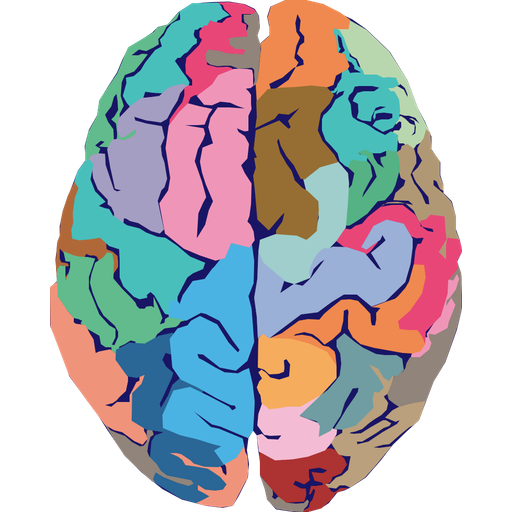
한국어의 평음·경음·격음처럼 후두 조음 방식만 다른 자음을 구별해 들을 때 뇌가 어떻게 반응하는지를 살핀 연구입니다. 참가자들이 단어 첫머리의 세 종류 파열음을 듣고 구분하는 청각 판별 과제를 수행하는 동안 사건 관련 fMRI로 뇌 활동을 측정했습니다. 격음을 들을 때는 하전두이랑의 활동이, 경음을 들을 때는 좌측 상측두이랑의 활동이 다른 자음보다 더 강하게 나타나, 음소 대비의 종류에 따라 전두엽과 측두엽 언어 영역이 서로 다르게 관여함을 확인했습니다. 이 결과는 세 가지 자음이 뇌에서 서로 다른 정도로 명세된 음운 표상을 갖는다는 언어학적 자질 이론을 뒷받침합니다.
초록 (English)
To investigate neuroanatomical correlates of the categorization of laryngeally contrastive phonemes, an event-related functional magnetic resonance imaging was performed during an auditory identification task in which 10 participants were distinguished among the three types of word-initial stop phonemes, either lax, tense, or aspirated. Perception of the aspirated consonant series elicited significantly higher activation in the inferior frontal gyrus as compared with both the lax and tense series, and the tense series showed significantly higher activation in the left superior temporal gyrus in comparison with either the lax or the aspirated series. The results show differential involvement of frontal and temporal lobe language areas for distinct phonemic contrasts, supporting a linguistic feature formulation model that posits variably specified phonological representations for the three-way distinctions.