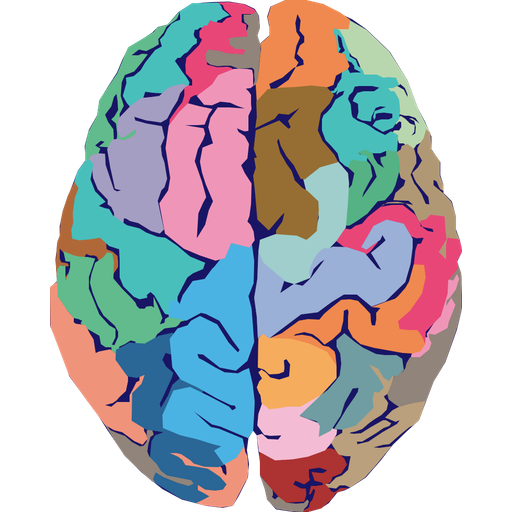

From neurons to cognition,
from theory to the clinic.
We build computational and theoretical models of the brain, validate them against multi-scale neuroimaging, and translate them into diagnosis and treatment of mental disorders.
- fMRI
- PET
- EEG
- DTI
- Calcium imaging
- VSDI
- LFP
- DCM
- Free energy
- Deep learning
Laboratory for Systems and Translational Brain Sciences
Our lab is affiliated with the Yonsei University Graduate School of Medical Science, Department of Nuclear Medicine, Department of Psychiatry in Yonsei University College of Medicine, Severance Hospital, and Department of Cognitive Science in Yonsei University.
We are an open research team dedicated to understanding how the brain functions at various levels of the brain hierarchy—from neural cell function to cognition—and how altered brain circuits induce brain diseases. Our approach is rooted in systems brain science, computational brain science, and theoretical brain science. One of our major challenges is to bridge these different levels of understanding. Both experimental observation and computational theory are critical to our work.
As observation tools, we utilize and develop precise analyzing techniques for various brain data, such as fMRI, PET, EEG, and DTI at the macroscopic level, as well as calcium imaging, voltage-sensitive dye imaging, and local field potential at the micro and mesoscopic levels. In conjunction with these observation data, we aim to construct biologically plausible brain circuits to simulate observed brain functions.
As a team based in hospitals, we aim to translate advanced neuroimaging and computational techniques, along with cognitive neuroscience insights, to clinical settings for the diagnosis and treatment of mental health disorders.
Explore our research and join us in our quest to unravel the mysteries of the brain and improve mental health care.
Research themes
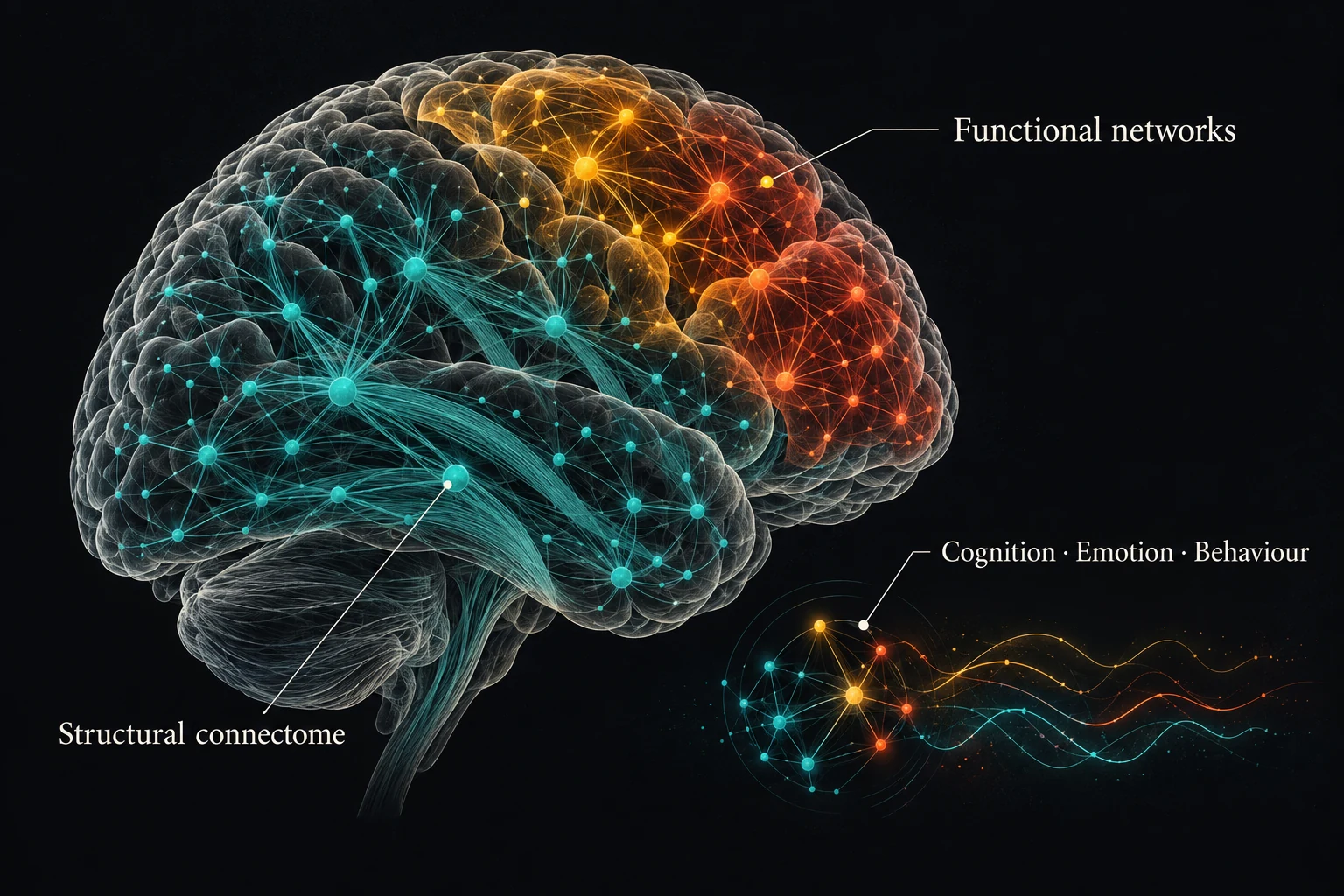
The Cognitive Brain System
How cognition, emotion and behaviour emerge from a fixed structural connectome, and which network features mark an individual or a disease.
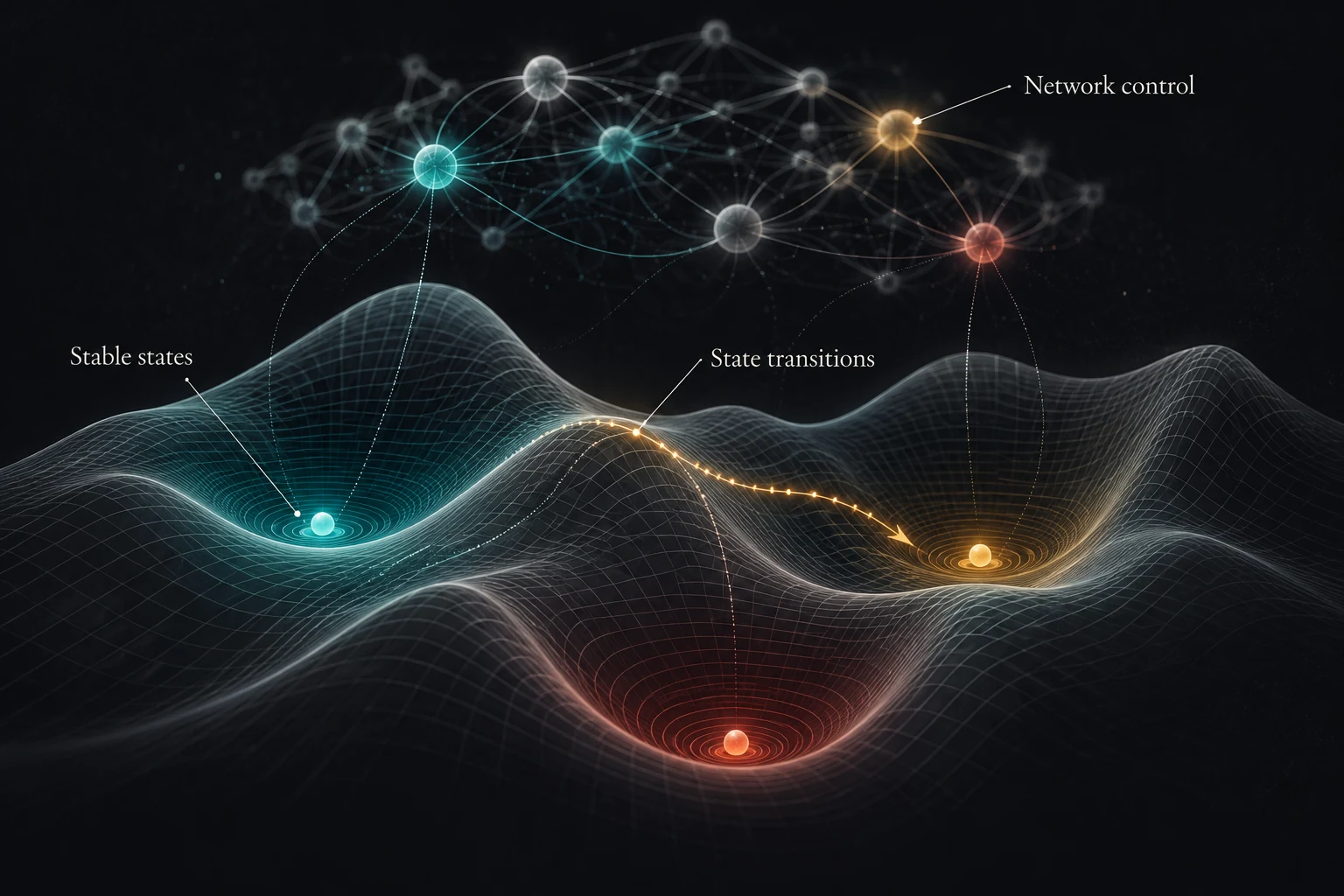
The Dynamic Brain System
The brain transitions between multiple stable states. We map its energy landscape, infer effective connectivity, and ask how to steer a diseased network back to health.
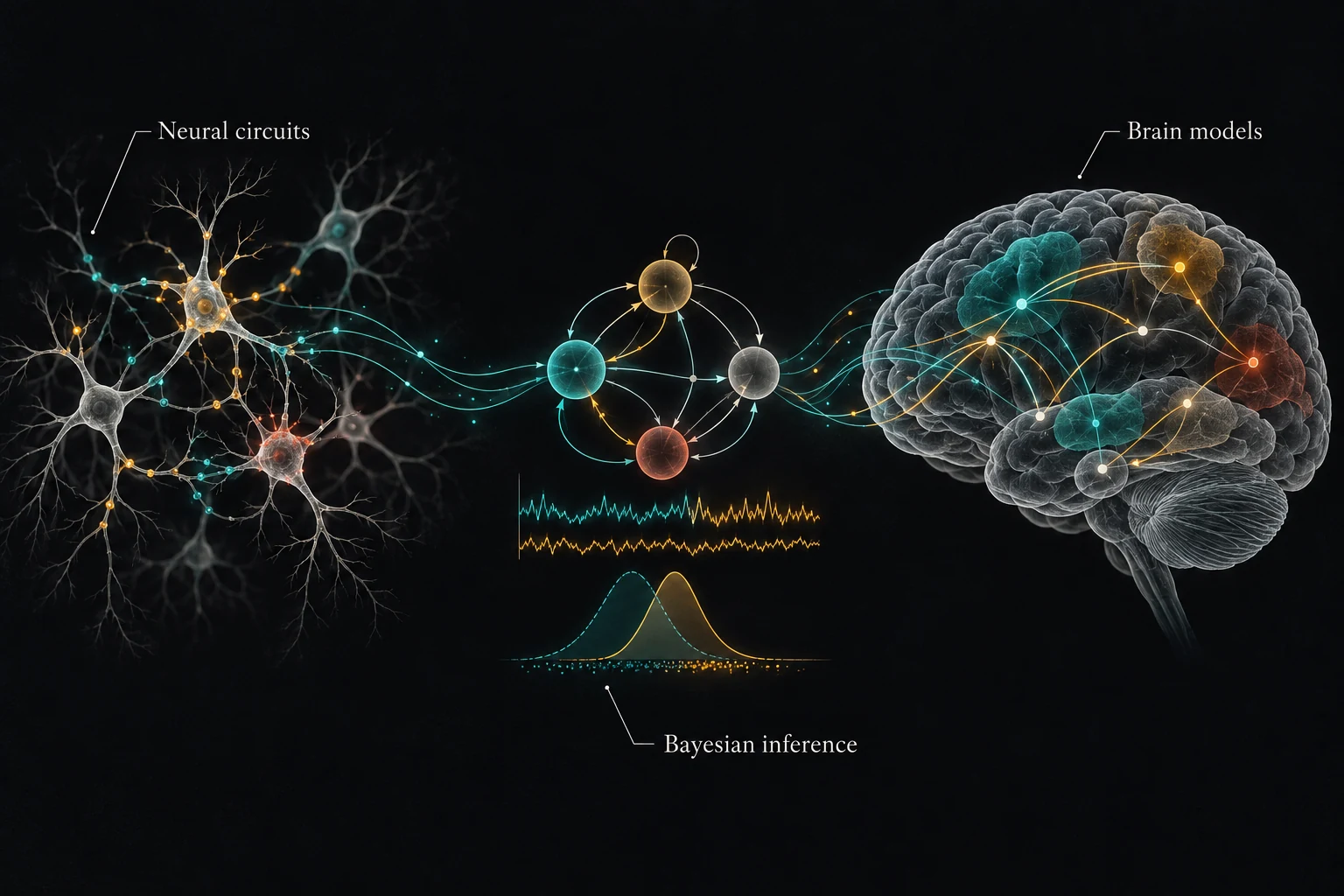
The Computational Brain System
Biologically plausible models from zebrafish and rodent circuits to human regional interactions, estimated from data with Bayesian inference and used to plan treatment.
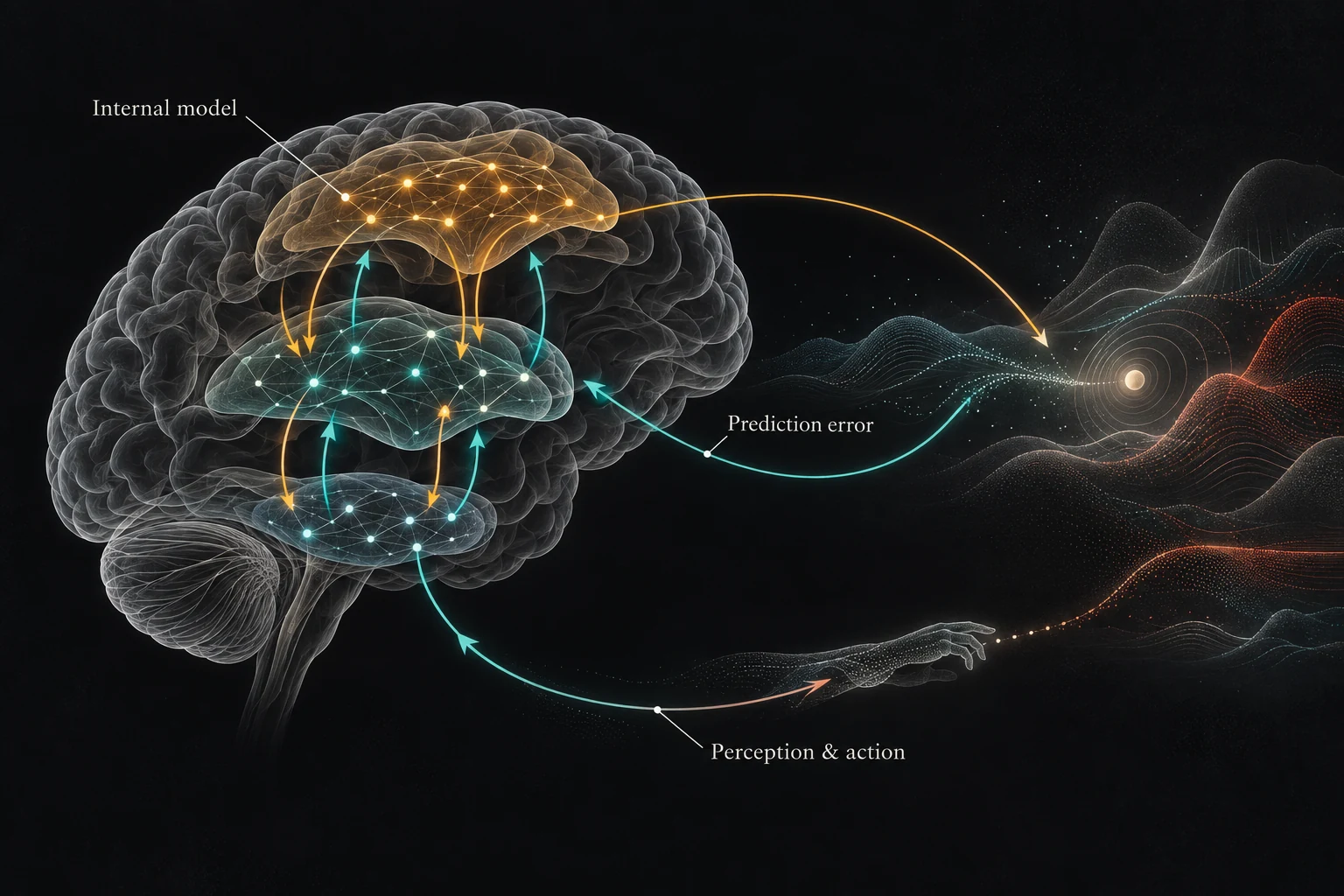
The Theoretical Brain System
The free-energy principle as an operating principle of the brain, applied to cognition, disease, and the brain's own recovery after treatment.
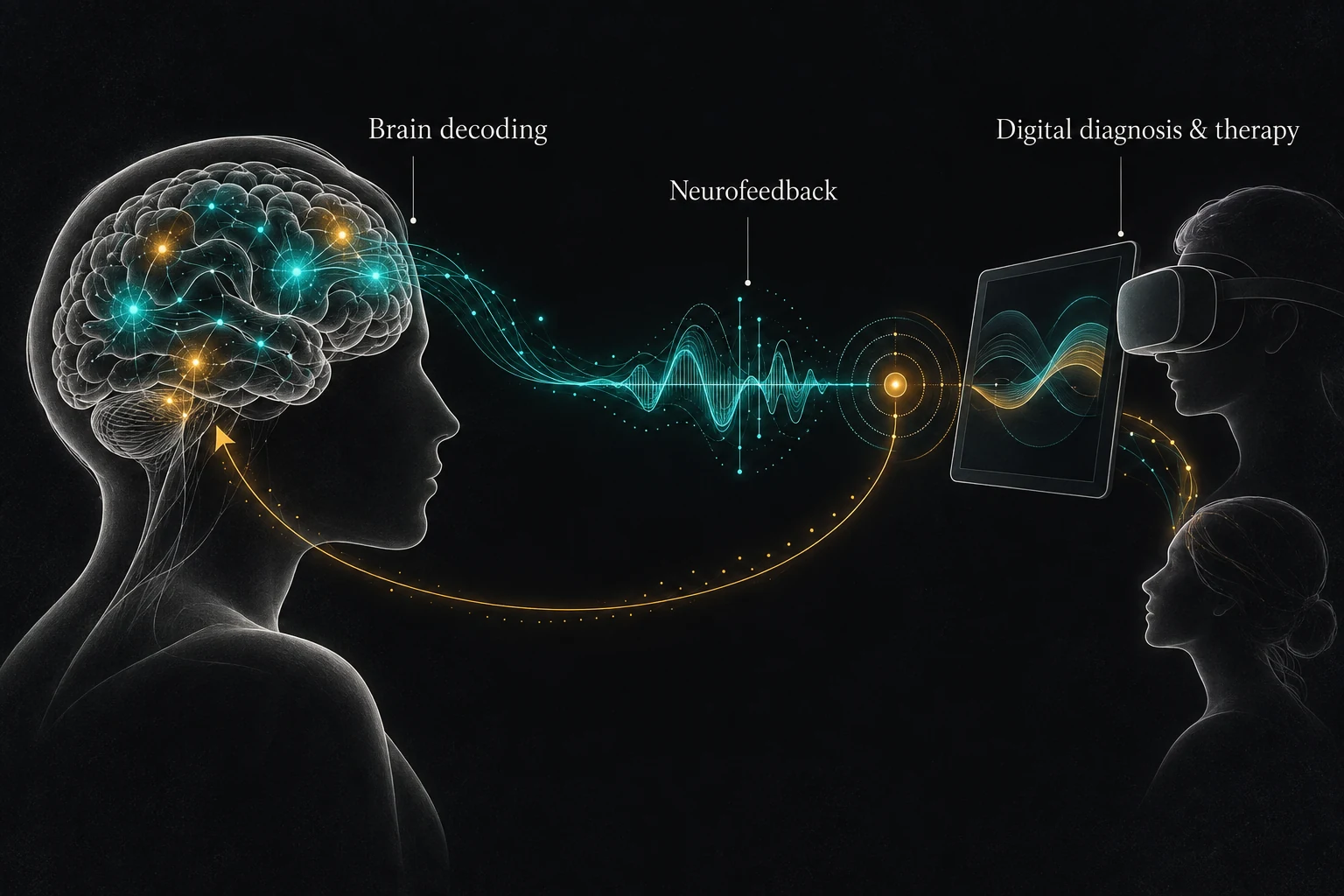
Translational & Social Cognitive Brain Systems
Brain decoding, neurofeedback and digital theragnosis on VR, mobile and web, plus the neural bases of language, communication, interoception and design.
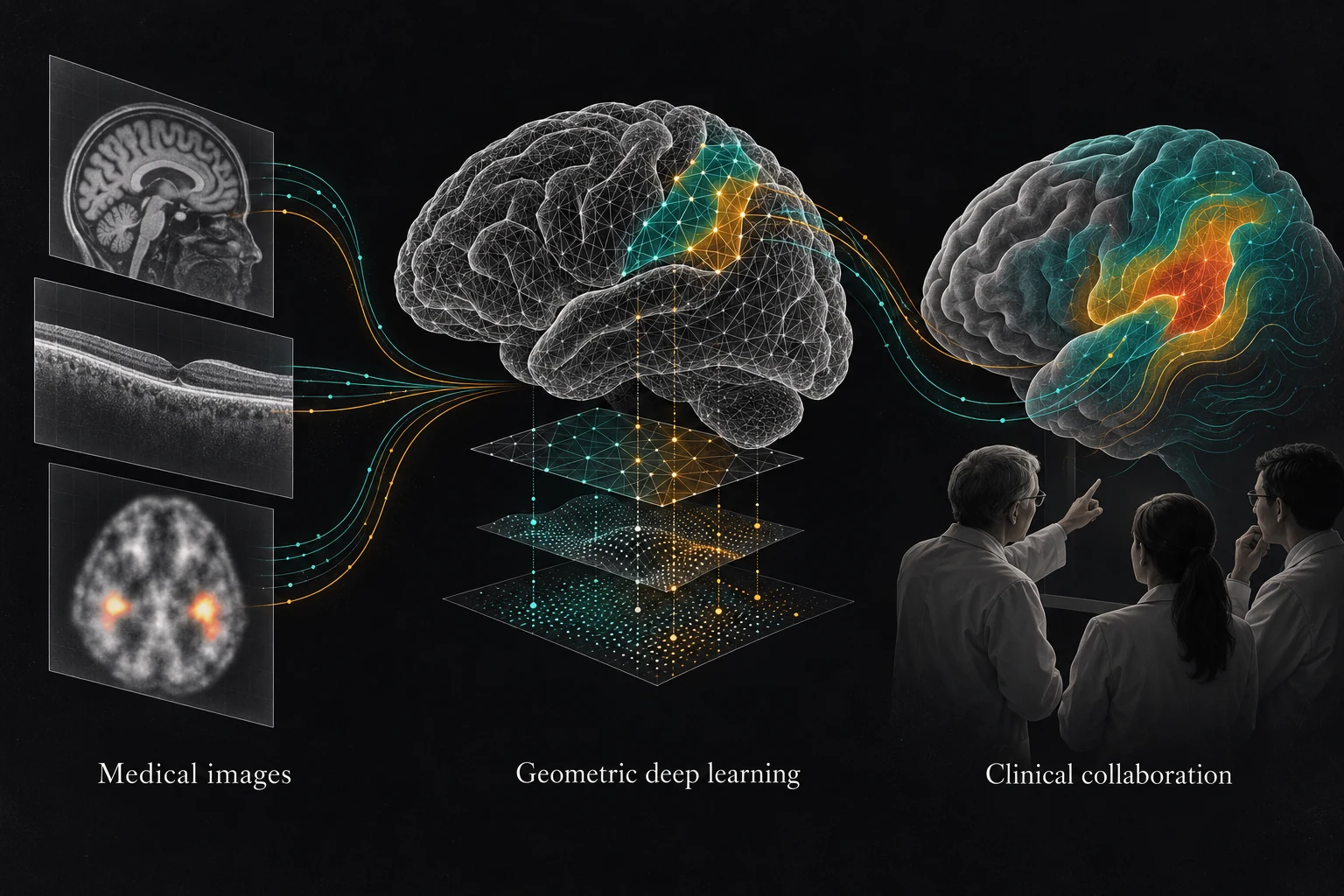
The Artificial Brain System
Brain-inspired deep learning, from surface-based geometric CNNs for neuroimaging to automated diagnosis of otoscopic, retinal and nuclear-medicine images with clinicians.
Latest news
PLoS Computational Biology 논문 게재 소식 “동적 인과 모델링을 이용한 다중 모델, 다중 스케일 신경 회로 추정”
저희 연구실에서는 PLoS Computational Biology (2024)에 최신 연구 성과를 발표하였습니다. “동적 인과 모델링을 이용한 부분적으로 관측된 다중 모달 및 다중 스케일 신경 신호…
이우용 석사과정 연구원의 Neuroimage 논문 게재 소식
우리 연구실의 이우용 석사과정 연구원이 “Heartbeat-related spectral perturbation of electroencephalogram reflects dynamic intero…
이준호 학부 인턴 의공학회 포스터상 수상 소식
우리 연구실 학부 인턴인 이준호 학생이 이번 의공학회에서 포스터 상을 받았습니다. 포스터 제목은 “Advanced Geometric CNN with Residual Connection and Bar…
Selected publications
- 2026Scientific Reports 16, 22461
- 2026
- 2025
- 2024
- 2024
We are hiring
Postdoctoral researchers and research staff for national projects on spiking-network models of the zebrafish brain and a computational digital twin for epilepsy.